01
Cardio: Keep Moving
The goal isn't to run a marathon. It's to keep moving without feeling completely drained.
- Brisk walking
- Cycling
- Swimming
- Stairs
- Sports
- Running (optional)
You don't need to be an athlete to hike the Western Ghats. You need to prepare your body for the trail.
Start Preparing →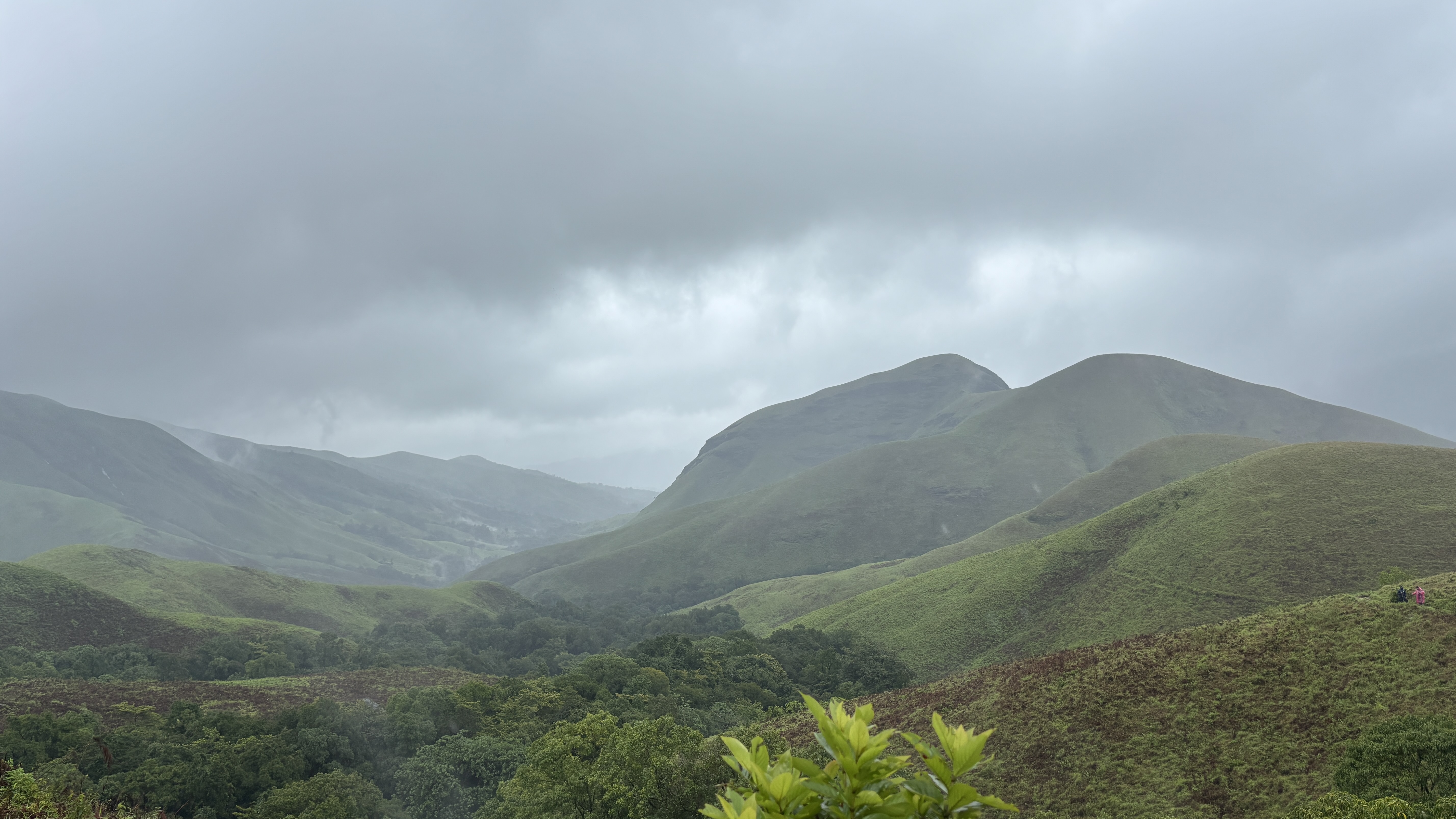
The goal isn't to run a marathon. It's to keep moving without feeling completely drained.
Getting to the top is only half the job. Your legs also need to handle the descent.
Hiking isn't just strength. It's controlling your body on roots, loose rock and wet ground.
Mobility supports hiking, but it doesn't replace strength and endurance.
Don't wait until hike day to find out what carrying a backpack for hours feels like.
Your body needs to learn how to move, not just exercise.
You don't need to train like an athlete. What matters most is regular movement throughout the week.
Consistency > Intensity
Stay active regularly, and give your body enough time to recover. No need to exercise every day.
You don't need to get fit before you start. Start where you are, then build gradually.
Keep repetitions manageable. Controlled movement and showing up matter most.
Optional, if you enjoy running:
3 min brisk walk → 1 min easy jog → repeat
Running is optional. You don't need to become a runner to become a good hiker.
Increase difficulty a little at a time. Stay in any stage as long as you need.
Tap a card for how to do it. No magic rep numbers: start where it feels controlled.
Sit your hips back and down like onto a chair. Chest tall, knees over toes, press through your whole foot.
Step one foot back and lower the back knee toward the floor. Keep your torso upright, then push through the front foot.
Lean your back against a wall and slide down until your knees bend, as far as feels comfortable. Keep your knees over your ankles and breathe.
On hands and knees, reach one arm forward and the opposite leg back. Keep your hips level and your back flat. Switch sides.
From hands and knees, lift your hips up and back so your body makes an upside-down V. Press your hands into the floor, bend your knees as much as you need, and let your heels sink toward the floor. Breathe slowly.
Lie on your back, knees bent, feet flat. Press through your heels and lift your hips until shoulders, hips and knees line up. Lower slowly.
Shift your weight onto one foot. Place the other foot on your calf or inner thigh, never on the knee. Stand tall, fix your eyes on one spot and breathe. Switch sides.
Forearms down, elbows under shoulders, body in one long line. Breathe steadily and stop when your form slips.
Highlighted = the area being worked. Sharp pain means stop.
A beginner should ideally be able to do most of these. Tick what already feels true.
There's no score, just a map of where you are.
This is a practical hiking-readiness guide, not a medical fitness test.
Consistency beats intensity.
If you have a medical condition, significant symptoms, or concerns about starting a new exercise program, seek appropriate medical advice before beginning.
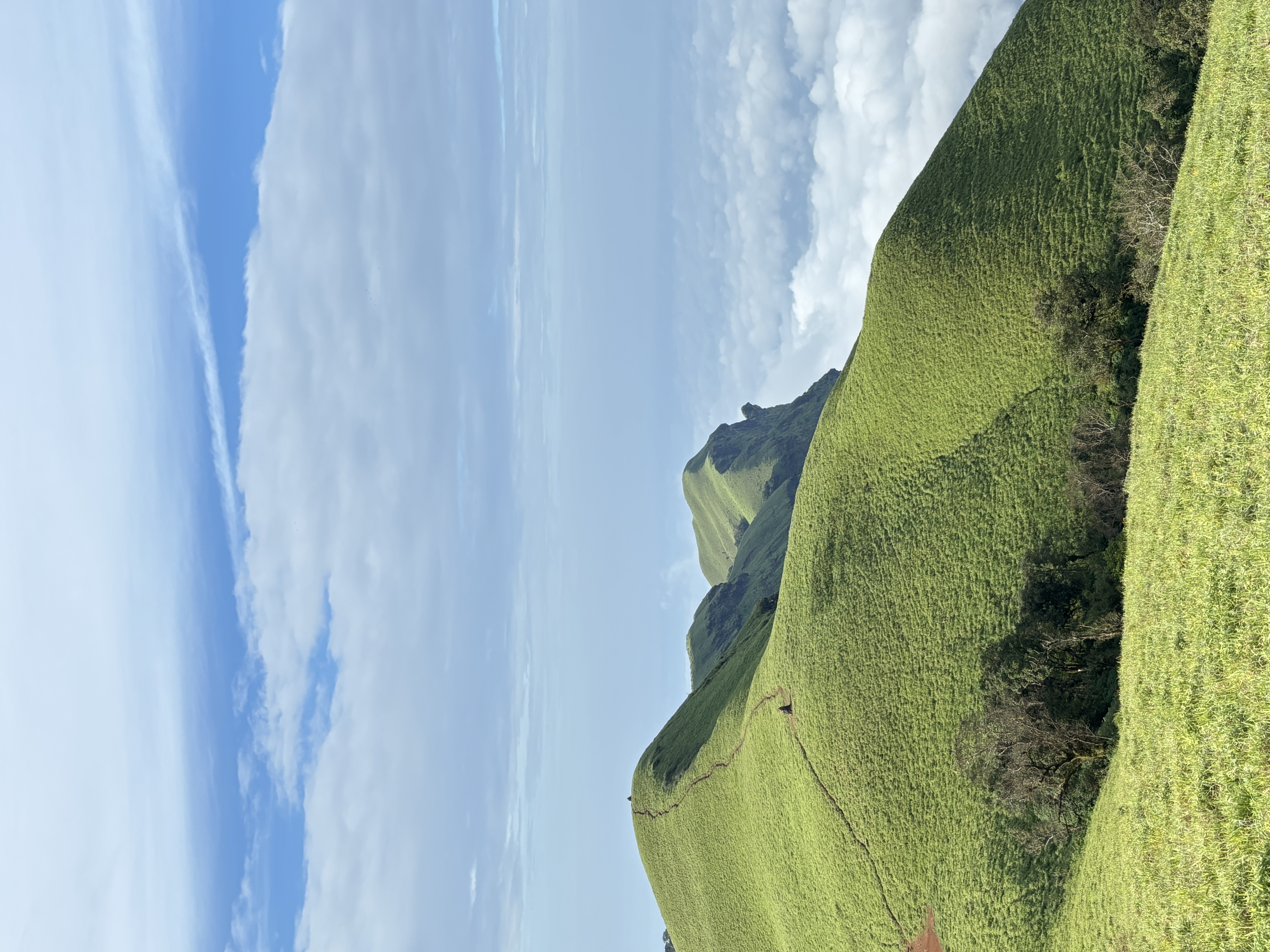
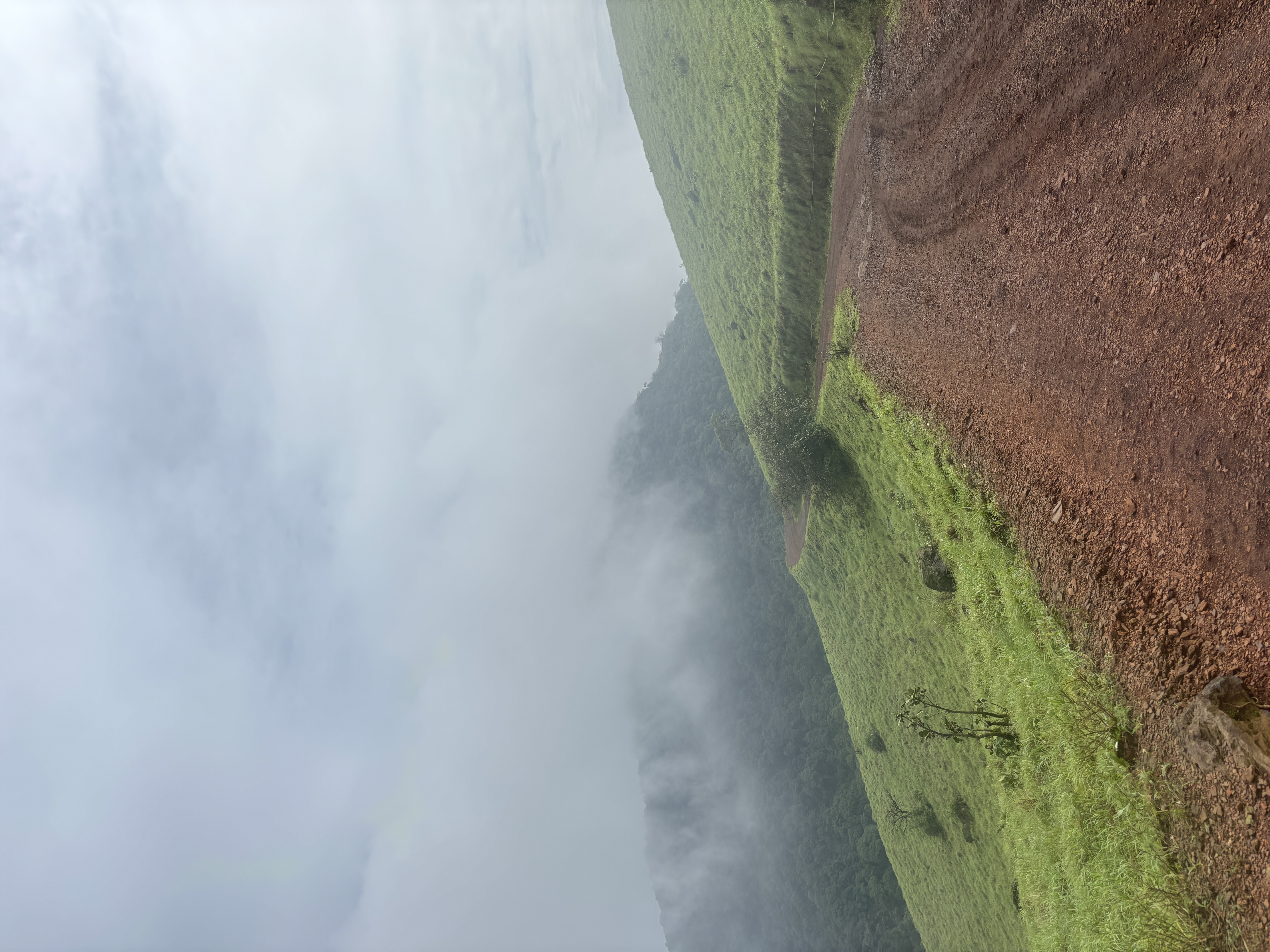
Different terrain. Different preparation.
You don't need to wait until you're "fit enough" to begin. Start with regular walks, build your strength, explore stairs and hills, and gradually spend more time outdoors.
Pack out everything you carry in; the mountain is not a bin. Carry a steel water bottle. Stay on the marked trail; one shortcut by a hundred people becomes a decade of erosion. Keep the noise down. The wildlife here is wild. Let it stay that way.